
Legionella Risk Assessment for Childminders in Doncaster
Childminders who operate from their own homes are still required to manage the risk of Legionella bacteria in their water system.
Even though childminding takes place in a domestic environment, the moment childcare becomes a business, the Health and Safety at Work Act applies.
This means you must ensure your water system is safe for children, parents and visitors.
A professional, competent assessment helps you meet your responsibilities and gives you the documentation you need for inspections and peace of mind.
Why Childminders Need a Legionella Risk Assessment
Most childminders use taps, sinks, toilets and handwashing facilities throughout the day.
Young children regularly wash their hands, bottles and cups are rinsed, and cleaning routines use warm water.
These everyday activities mean the water system must be safe and well maintained.
Warm water, limescale and low-use taps can create conditions where Legionella bacteria can grow.
Childminders often have one or two taps that are rarely used, or showers that are only used occasionally. These risks are easy to overlook without a structured assessment carried out by a competent person.
A professional assessment ensures any risks are identified, explained clearly and put into a simple plan you can follow.
Legal Responsibilities for Childminders
As a childminder, you are legally responsible for controlling the risk of Legionella in your home-based childcare setting.
While Ofsted does not inspect specifically for Legionella, they expect all environmental risks to be managed properly.
You are expected to create and maintain a certian documents including the written scheme of control.
We offer local informal, but specific training for childminders in Doncaster that are the responsible person for Legionella
Important points for childminders:
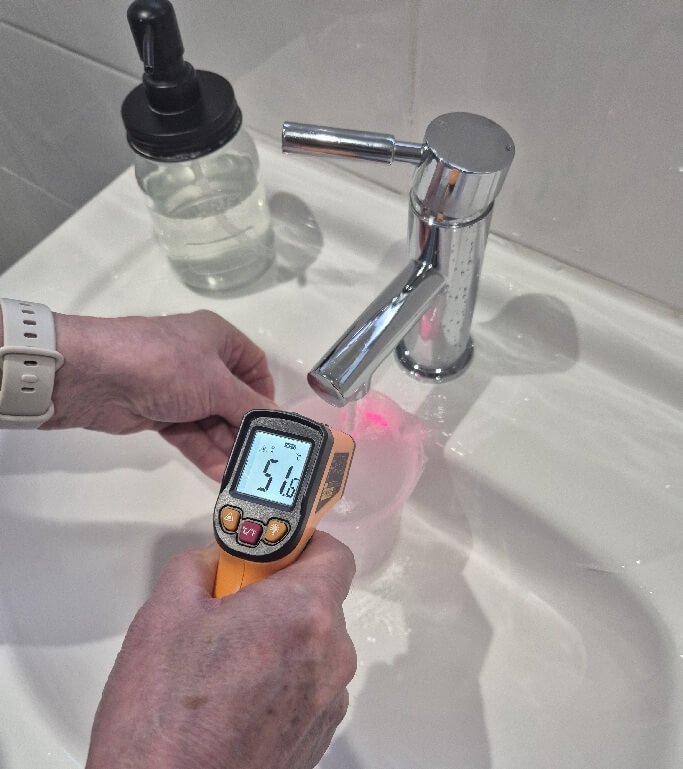
- You must ensure a competent person carries out a Legionella risk assessment
- DIY testing sheets may not meet ACOP L8 or HSG274 requirements for risk assessment, especially if the person doing the checks are not deemed ‘competent’.
- Ignoring water safety responsibilities can lead to enforcement action by Environmental Health
- Legal duties under ACOP L8 and HSG274
- You must be able to show that risks have been assessed and controlled
- Regular temperature checks and simple control measures help you meet your duty of care
- your responsibilities as the Responsible Person
A competent person is someone with proper training and knowledge of Legionella control — not a parent, relative or helper.
What We Check During a Childminder Legionella Assessment
Domestic Water System Walkthrough
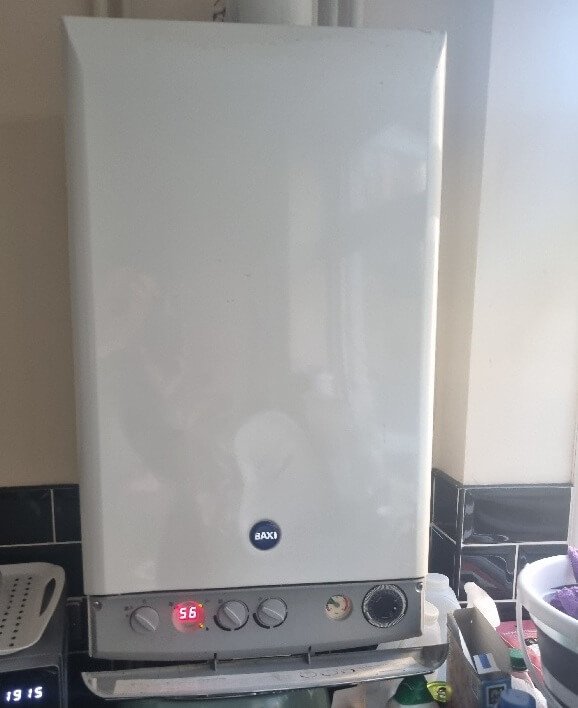
- Cold water supply point
- Hot water cylinder or combi boiler
- Kitchen taps
- Bathroom taps
- Toilets and handwashing areas
- Any showers present
- Outdoor taps (if used in childcare)
Temperature Checks
We check that:
- Hot water reaches the correct temperature quickly
- Cold water stays below 20°C
- There are no warm areas where bacteria can multiply
These checks help ensure your system is operating safely.
Visual Inspection for Common Risks
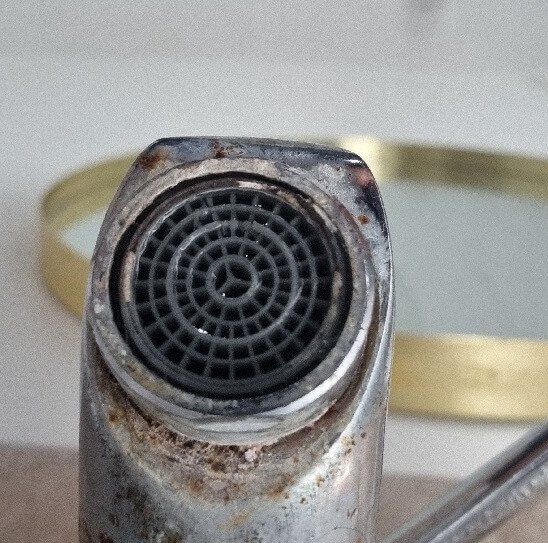
- Limescale on taps and outlets
- Biofilm inside taps or showers
- Unused or rarely used outlets
- Leaking taps
- Poorly maintained fixtures
- Stagnant areas or dead legs
Understanding Usage Patterns
Childminders often operate Monday to Friday with reduced water use at weekends. We assess:
- Which taps are used most
- Which outlets may need weekly flushing
- Shut-down and reopening routines after holidays
- Any high-risk areas that need closer attention
Your Childminder Legionella Report
Your report is written in plain English and includes:
Clear Written Findings
A simple explanation of what was checked, any risks found and what each one means.
Photographic Evidence
Pictures of taps, temperature readings and any issues we identify so you can clearly demonstrate compliance.
Practical Recommendations
- Weekly flushing routines
- Descaling intervals
- Cleaning and maintenance suggestions
- Guidance tailored to your home layout
- Written Scheme of Control if required
- How to implement a simple written scheme of control
This makes it easy for you to show inspectors that risks are identified, documented and well managed.
Why Childminders Should Avoid DIY Legionella Kits
DIY kits only test for bacteria in a sample of water. They do not check:
- Water temperatures
- System layout
- Unused outlets
- Limescale
- Stagnation risks
- Compliance with ACOP L8 or HSG274
A Legionella risk assessment must be carried out by a trained, competent person. DIY kits cannot replace a professional inspection and may leave you exposed to enforcement action or compliance failures.
How Often Should Childminders Be Assessed?
Most childminders require a full assessment:
- Every 2 years
- After boiler replacements or plumbing changes
- If water temperatures become inconsistent
- After long periods of closure (holiday breaks)
Simple Water Safety Support for Childminders
Flushing Routines
Easy-to-follow weekly flushing guidance for taps and outlets that see less use.
Cleaning and Descaling
Advice on keeping taps, showers and outlets clean to prevent limescale and biofilm.
Childminder-Friendly Guidance Sheet
A simple reminder sheet you can keep with your paperwork for inspections.
Pricing for Childminder Assessments
Childminder assessments are usually straightforward, and pricing is based on your home layout and the number of taps. Quotes are fast, clear and transparent with no hidden fees.
Book a Legionella Risk Assessment for Your Childminding Setting
If you are a childminder in Doncaster, Bentley, Armthorpe, Balby, Edenthorpe, Wheatley, Intake, Bessacarr or the wider Doncaster district, I can help you meet your legal responsibilities with a clear, simple and professional assessment.
With recognised training and experience in domestic childcare settings, I provide safe, reliable water-system checks and practical advice tailored to home-based childminding.
We also provide Legionella risk assessments for nurseries across Doncaster.
To book your assessment or request a quotation, please get in touch today.
Legionella risk assessments for nurseries
Our Legionella assessment service also covers nearby areas such as Rotherham
